
The Best Managed IT Service Providers: 7 Signs of Excellence
What Is a Managed IT Service Provider?
A managed IT service provider helps businesses manage their technology. Instead of waiting for a computer, network, or software problem to happen, these providers help prevent problems before they affect daily work.
IT Service Providers can handle many parts of a business's technology. This may include computer support, network care, data backups, security, software updates, and help for staff. The goal is to keep business systems working well and help employees avoid long delays.
A good provider also takes time to understand how a business works. Every business uses technology in a different way. A small office may need basic computer and network support, while a growing company may need stronger security, cloud services, and regular system checks.
Choosing the right provider can make IT easier to manage. It can also give business owners more time to focus on their main work.
Why Choosing the Right IT Provider Matters
Technology is now part of almost every business. Employees use computers, email, cloud tools, websites, phones, and online systems every day. When these systems stop working, normal business work can slow down or stop.
Reliable IT Service Providers help reduce these problems. They can watch systems, find issues, install updates, and provide help when something goes wrong.
Security is another important reason to choose the right provider. Businesses store many types of information on their systems. This can include customer details, company files, payment data, and employee information. Good IT support can help protect this data with security tools and regular checks.
The right provider should also be easy to contact. When a serious IT problem happens, you should know who to call and how quickly you can get help.
7 Signs of a Good Managed IT Service Provider
Fast and Reliable IT Support
Good IT support should be easy to reach when a problem happens. A slow response can lead to lost work, missed deadlines, and unhappy customers.
Reliable IT Service Providers have a clear process for handling support requests. They should explain when you can expect a reply and how they will work on the problem.
Good communication is also important. The support team should explain the issue in simple words instead of using terms that are hard to understand. They should tell you what needs to be done and keep you informed while the problem is being fixed.
A provider that offers regular support can also help your team feel more confident when using business technology.
Strong Cybersecurity
Cybersecurity should be a key part of any IT service plan. Online threats can affect businesses of all sizes. A single security issue can lead to lost data, system problems, or other business risks.
Strong IT Service Providers use security tools and regular checks to help protect business systems. They may help with antivirus tools, firewalls, security updates, password rules, and access controls.
Security also needs regular attention. New threats can appear over time, so a provider should keep systems and security tools up to date.
Staff training can also help. Employees should know how to spot unsafe emails, strange links, and other common risks. A good IT provider can help create simple security rules that staff can follow.
Regular System Checks
Waiting until something breaks is not a good way to manage business technology. Regular checks can help find small problems before they become bigger ones.
A managed IT provider can check computers, servers, networks, software, and other systems on a regular basis. These checks can help find old software, system errors, low storage, network issues, and other concerns.
Regular system care can also help keep technology running smoothly. Software updates and system checks may improve security and reduce the risk of problems.
The best IT Service Providers do not only react when something goes wrong. They also take steps to help prevent common problems.
Clear and Simple Pricing
IT services should be easy to understand. Before choosing a provider, a business should know what is included in the service plan and what may cost extra.
Clear pricing makes it easier to plan an IT budget. A good provider should explain its service plans without using confusing terms.
It is also useful to ask about extra charges. Some services may not be part of a basic plan. Knowing this before signing an agreement can help avoid surprises later.
IT Service Providers should be open about their prices and services. You should understand what you are paying for and what type of support you will receive.
A Skilled IT Team
Technology changes often, so an IT support team needs to keep learning. A good team should understand current software, networks, security tools, cloud systems, and other technology used by businesses.
Experience also matters when solving IT problems. A skilled support team can often find the cause of a problem and explain the right way to fix it.
When looking at IT Service Providers, businesses should learn about the team that will provide support. Ask about their experience, services, and areas of knowledge.
It is also helpful to choose a provider that can explain technology in simple terms. Good IT support is not only about fixing systems. It is also about helping business owners and staff understand their technology.
Backup and Data Recovery
Business data is important, so having a backup plan is essential. If files are deleted, damaged, or lost, a recent backup can help restore important information.
Good IT Service Providers can set up regular backups and check that they are working correctly. Backups should also be stored safely so they can be used when needed.
Data recovery is just as important as backup. A business should know what steps to take if a system fails or important files are lost.
Before choosing an IT provider, ask how often backups are made, where they are stored, and how data can be restored. A clear backup plan can help a business get back to normal after a serious problem.
Service That Fits Your Business
Every business has different technology needs. A service that works well for one company may not be right for another.
Good IT Service Providers take time to understand the business before suggesting services. They should look at the size of the company, the systems it uses, the number of employees, and its future needs.
The provider should also be able to adjust its support as the business grows. A small company may start with basic IT support and later need more security, cloud tools, network support, or data services.
The right service should fit the business instead of adding services that are not needed. This can make IT support easier to manage and help control costs.
How to Choose the Right Managed IT Service Provider
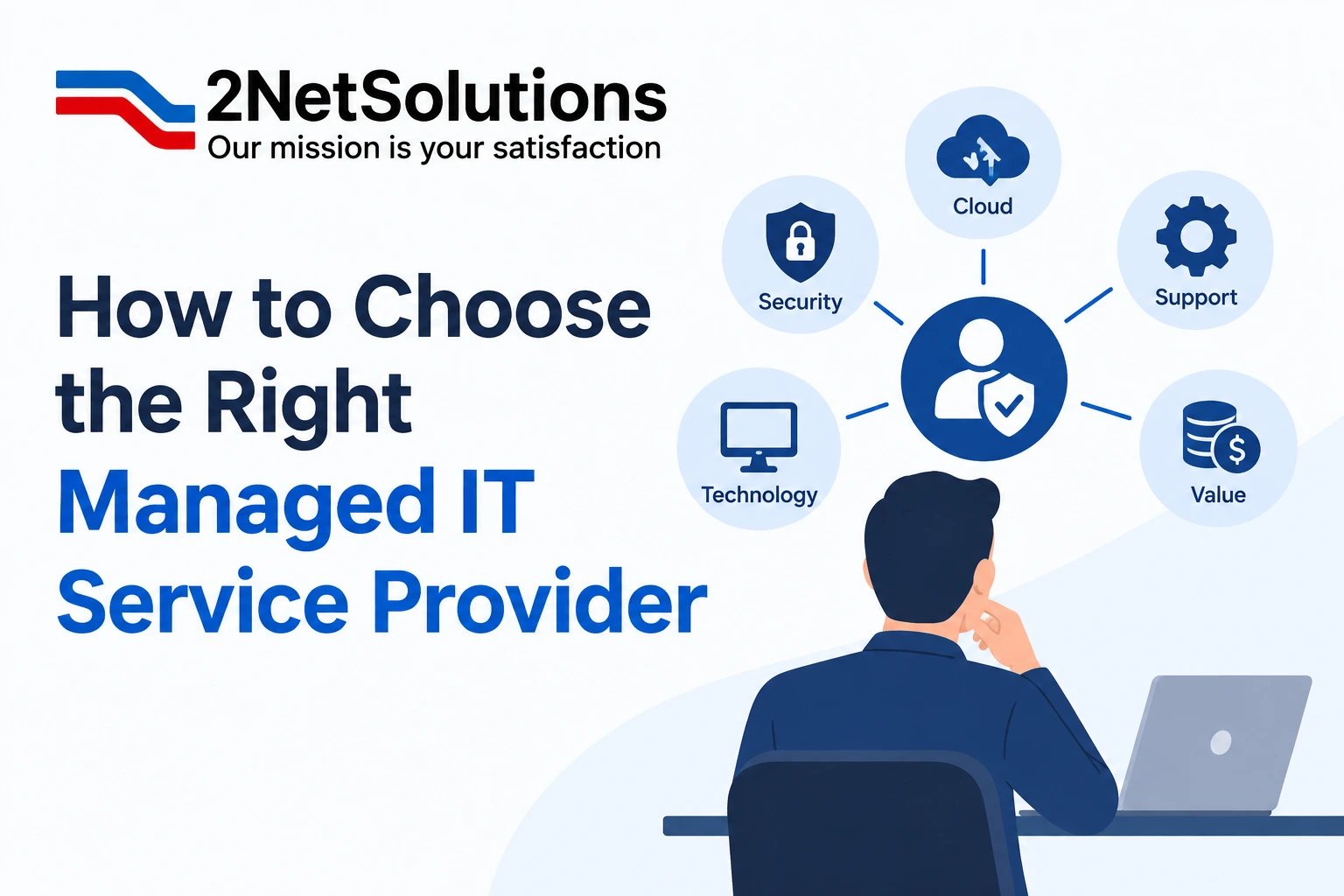
Start by looking at the services offered. Make sure the provider can handle the areas that matter most to your business. This may include computer support, network support, security, backups, software updates, and remote help.
Next, ask about response times. Find out how support requests are handled and what happens when there is a serious system problem.
You should also review the pricing plan carefully. Make sure you understand what is included and whether there are extra charges for certain services.
It is also useful to learn about the provider's experience with businesses like yours. A provider that understands your type of work may have a better idea of the systems and support your team needs.
Finally, ask how the provider will support your business as it grows. Your technology needs may change over time, so your IT support should be able to change with them.
Questions to Ask Before Hiring an IT Provider
Before choosing an IT Service Provider, ask a few simple questions. Check what services are included in the plan and how fast the support team can help when a problem happens.
Ask how the provider keeps your business data safe. Also, ask what tools they use to protect your systems from online threats.
Ask about data backups and how they can get your files back if a system stops working or files are lost.
You should also ask about the contract, prices, and any extra fees. This will help you know what you will pay.
Finally, ask who will help you when you have an IT problem. Knowing who to contact can make it easier to get help when you need it.
Final Thoughts
hoosing a managed IT service provider is an important step for any business that uses technology. The right provider can keep your systems running, protect your business data, and help your team when problems happen.
When choosing IT Service Providers, look for fast support, good security, regular system checks, clear prices, skilled staff, safe backups, and services that meet your business needs.
A good provider should do more than fix problems. It should help keep your technology safe and working well as your business grows. Contact us today to learn more about our IT services and how we can help your business.
Frequently Asked Questions
IT Service Providers help businesses manage, maintain, and support their technology systems, networks, software, and data.
A managed IT service provider can help prevent IT problems, protect business data, provide support, and keep systems running smoothly.
Look for fast support, strong security, regular system checks, clear pricing, skilled staff, data backups, and services that fit your business.
They can use security tools, regular updates, system checks, and data backups to help protect important business information.
Compare their services, support times, security plans, pricing, customer reviews, and ability to meet your current and future business needs.